Buying or selling a condominium in Tomakomai | Used vs. new, management fees and repair reserve funds, and the station area vs. the seaside
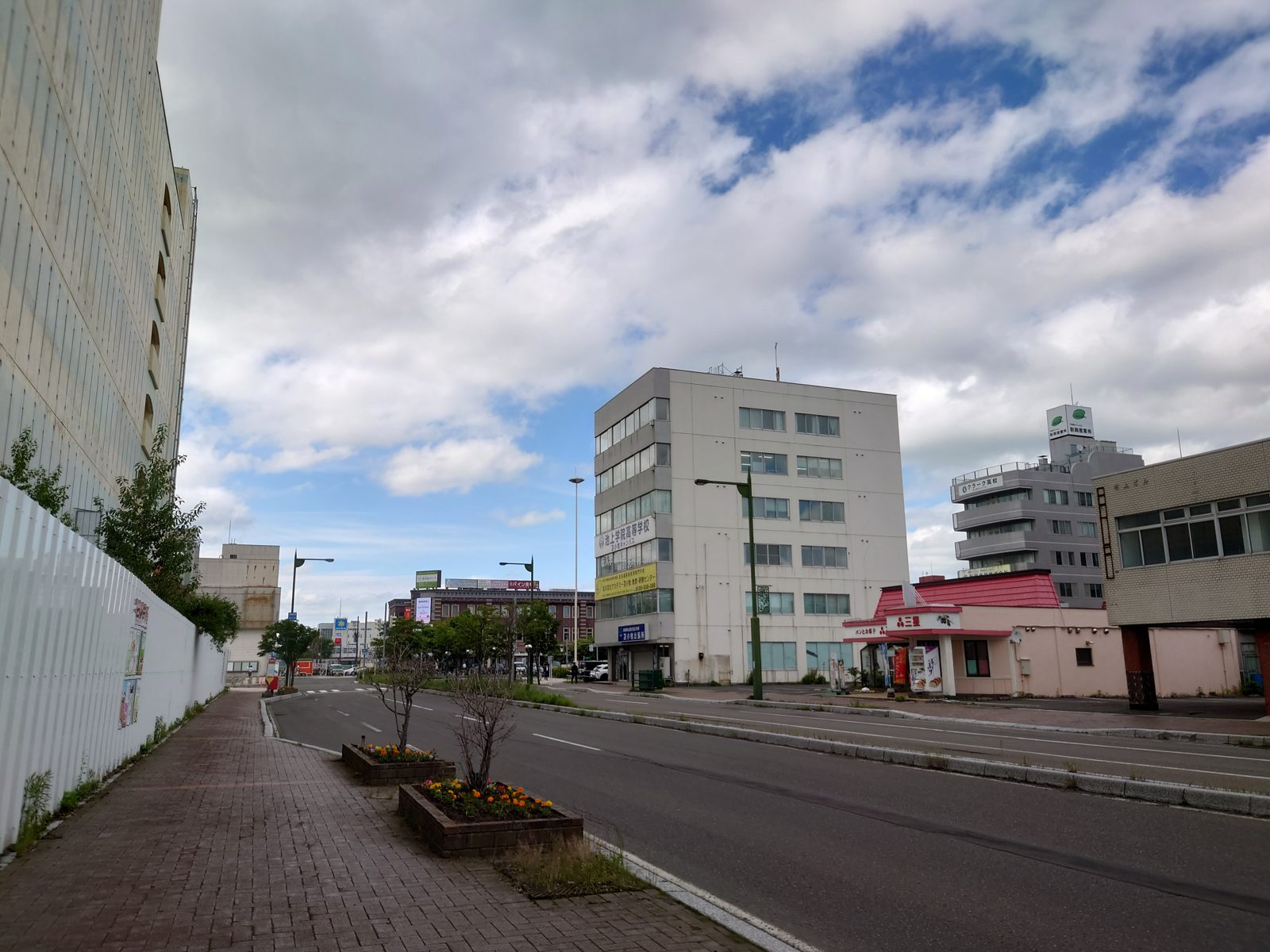
Condominiums in Tomakomai do not offer as many choices as in Sapporo. Supply is limited, and locations are concentrated in the city center (Omotemachi, Wakakusacho, Omachi, Nishikicho) and along the coast and main roads. Because of this, good units are sold quickly when they come on the market. This article summarizes the key points when buying or selling a condominium in Tomakomai.
Why people choose a condominium in Tomakomai
- No snow clearing: In a detached house you need to clear snow every morning, but in a condominium the management company clears the common areas. Many people say this is the main reason
- Efficient heating: With units above, below and on each side, heating costs are lower than in a detached house
- Management and security: It is easier to feel safe when you leave home for a long time
- Close to the station and shops: In units in the city center, you can live without a car
On the other hand, you pay management fees and repair reserve funds every month. A detached house has no monthly payments, but you need to save for repairs yourself, so the total is not very different. It is a different way of thinking about costs.
Features by location
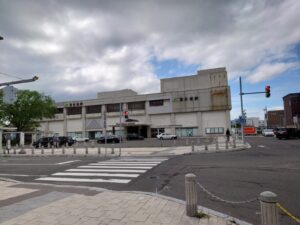
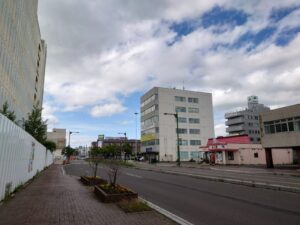
Station area and city center (Omotemachi, Wakakusacho, Omachi, Nishikicho, Saiwaicho)
These units are within walking distance of Tomakomai Station. Shops, hospitals and the city hall are close, so they suit people who want to give up their car. In terms of land prices, the commercial land in Omotemachi 5-chome is ¥42,600 per m², the highest point in the city. However, commercial land fell −1.8% in 2026, and land prices in this whole area are slowly declining. The value of a condominium depends more on management and the condition of the building than on the land, so a fall in land prices does not directly affect the unit price.
Along the coast (Hamacho, Funamicho, around Furusato Beach)
Some units have sea views, and some people look for so-called “seaside” properties. The view is a big attraction. There are three things to check.
- Salt damage: Exterior walls, handrails and window frames wear faster than inland, so repair cycles are shorter
- Repair reserve fund: For the reason above, the plan only works near the sea if the reserve fund is set relatively high
- Expected tsunami flooding: Check the Tomakomai City hazard map
Along main roads, such as Sankocho, Nisshincho and Yanagimachi
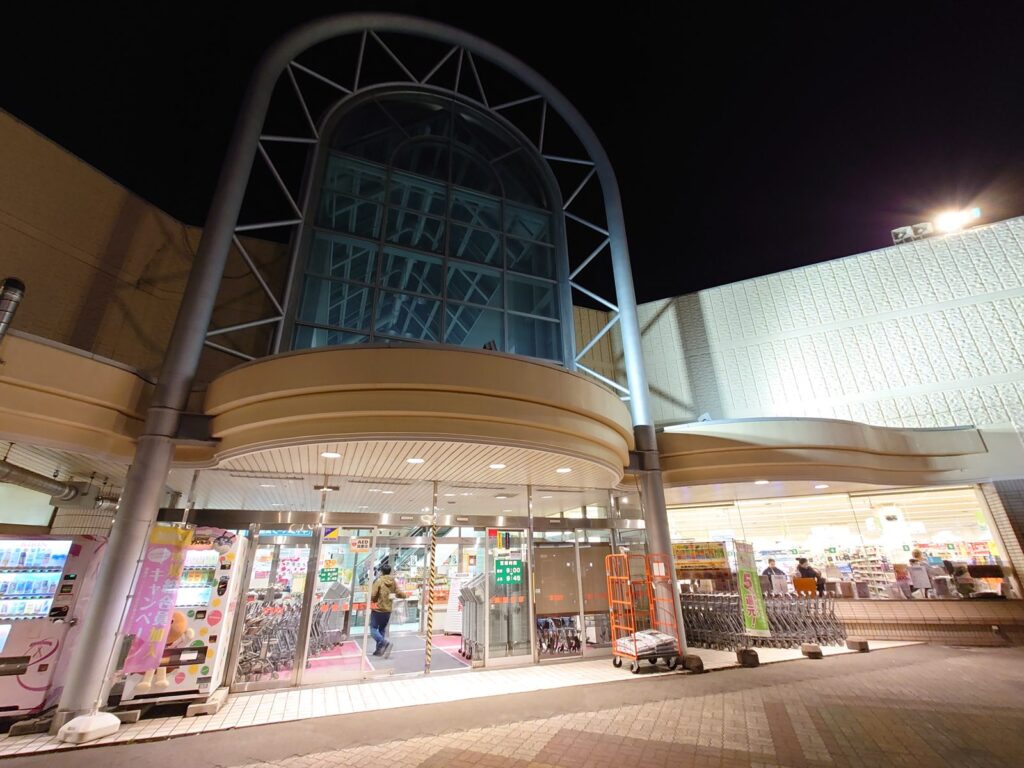
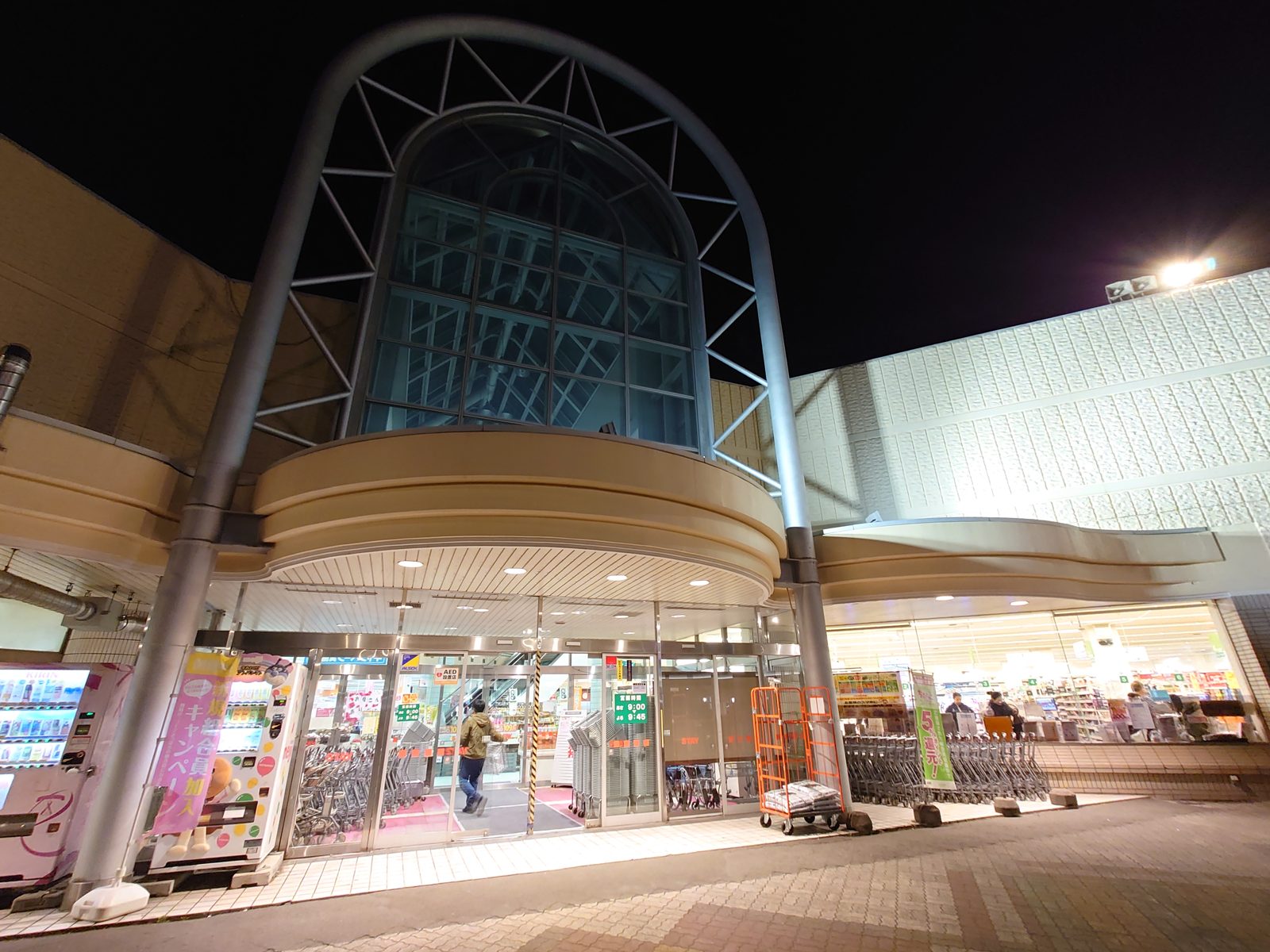
These units are along National Route 36 and other main roads. You will need a car to get around, but shopping facilities are close and daily life is easy. Sankocho has the Stay Shopping Center, so everyday shopping is no problem.
East (Numanohata, Takuyu, Hokuei)
This area is mainly subdivisions for detached houses, and there are not many condominiums for sale. There are plenty of rental condominiums and apartments.
What to check when buying a used condominium
Management fees and repair reserve funds
These matter more than the price. According to MLIT guidelines, the guideline for the repair reserve fund is in the ¥200s to ¥300s per m² of floor area per month. For 70 m², that is about ¥14,000 to ¥21,000 a month. If a building is far below this, owners may be asked to pay a lump sum for future work.
Long-term repair plan and reserve fund balance
Check whether a plan has been made, whether it has been reviewed recently, and whether the balance is enough for the plan. Get the documents from the management company and check them.
History of major repairs
In general, work on exterior walls, waterproofing and steel parts is done every 12 to 15 years. Check when the last work was done and when the next is planned. If major repairs are coming soon after you buy, check whether a lump-sum payment will be required.
Condition of the owners’ association
You can see from the meeting minutes whether general meetings are held regularly and whether there are many unpaid fees. An owners’ association with many unpaid fees finds it harder to make decisions about repair work.
Building and equipment
- Whether it meets the new earthquake resistance standard (from June 1981 onward)
- Whether the water supply and drain pipes have been replaced (this becomes an issue after 30 years)
- The heating system (central or individual; central heating is sometimes included in the management fee)
- Parking availability and fees, and whether you can get a second space
When selling a condominium
The steps are the same as for a detached house, but the documents you need are different.
- Valuation: Past sale prices in the same building are the most useful reference. Floor level, direction and whether the unit has been renovated make a difference
- Prepare documents: Management rules, long-term repair plan, minutes of the latest general meeting, amounts of the management fee and repair reserve fund, and parking contract status
- Brokerage agreement: Exclusive or general
- Marketing: Condominiums are compared with other units in the same building, so setting the price decides success or failure
- Contract and handover: You also need to notify the owners’ association
Supply of condominiums in Tomakomai is limited, so if several units in the same building are for sale at the same time, they compete on price. If you can choose when to sell, a time when no other units in the same building are for sale works in your favor.
Condominium or detached house?
Land in Tomakomai is relatively cheap, so with the same budget both a condominium and a detached house are options. There are three deciding factors.
- Will you clear snow yourself?: If you do not want to, choose a condominium
- Number of cars: With two or more, a detached house is often better
- Will you sell in the future?: Detached houses in the east hold their value well, while for condominiums in the city center it depends on management
Banana House has its head office in Honkocho, Tomakomai, and handles sales brokerage for condominiums, detached houses and land. We accept consultations from an early stage, such as “How well is this building managed?” or “How much would it sell for now?”
Related articles: Buying a used house or single-story home in Tomakomai / Selling real estate in Tomakomai / Real estate information for Tomakomai
This page was machine-translated. The Japanese original prevails.
Frequently asked questions
Is it safe to hold a condominium in Tomakomai as an asset?
It depends on the location and how well the building is managed. Units within walking distance of the station in well-managed buildings find buyers, but units in buildings where management has stalled and the repair reserve fund is short are harder to sell. Because supply is smaller than for detached houses, good units tend to hold their value.
Is a unit with a low repair reserve fund a good deal?
Often the opposite. If the reserve fund is below market levels, owners may be asked to pay a lump sum for future major repairs, or work may have been postponed. Always check the long-term repair plan and the reserve fund balance.
What should I watch for with a condominium near the sea?
Salt damage wears exterior walls, handrails and window frames faster, so repair cycles are shorter than inland. The repair history and the reserve fund balance are especially important. Also check the hazard map to see whether the building is in an area where tsunami flooding is expected.
What are the steps for selling a condominium in Tomakomai?
The steps are the same as for a detached house: valuation, brokerage agreement, marketing, contract and handover. As preparation specific to condominiums, if you have the management rules, long-term repair plan, minutes of the latest general meeting, and the amounts of the management fee and reserve fund ready, buyers can decide faster.
Tell us what you are looking for
Our property listings are being prepared. Send us your preferred district, property type and budget, and we will introduce properties, including ones not yet published.
Banana House Inc., 1-1-1 Honkocho, Tomakomai. We never use pushy sales. Please write in English or Japanese.
Sources and data
- Data retrieved: 2026-10-05. All prices are official public data and do not include our own estimates.
Yuki Nakazawa (President, Banana House Inc.) reviewed the Japanese original of this article. As a licensed real estate broker, we follow the Japanese rules for real estate advertising.